Roll vs. Tile Rubber Flooring: A Comparison
2025/12/20 - Uncategorized - 4 views
Compare rubber flooring in rolls and tiles for gyms, including seams, durability, installation, movement, maintenance and cost.
Rolled vs. Tiled Rubber Flooring
Rubber sports flooring commonly comes in rolls or modular tiles. Both can be suitable for gyms and exercise areas, but their installation, handling and long-term performance differ.
Rolled rubber flooring
Long rolls cover relatively large spaces with fewer visible seams. This makes them attractive for professional training rooms, weight areas and spaces requiring a more continuous finish. Good-quality rolls can be durable and reasonably easy to clean. However, they are heavy to handle and may require careful measuring, cutting and installation in irregular rooms.
Rubber tile flooring
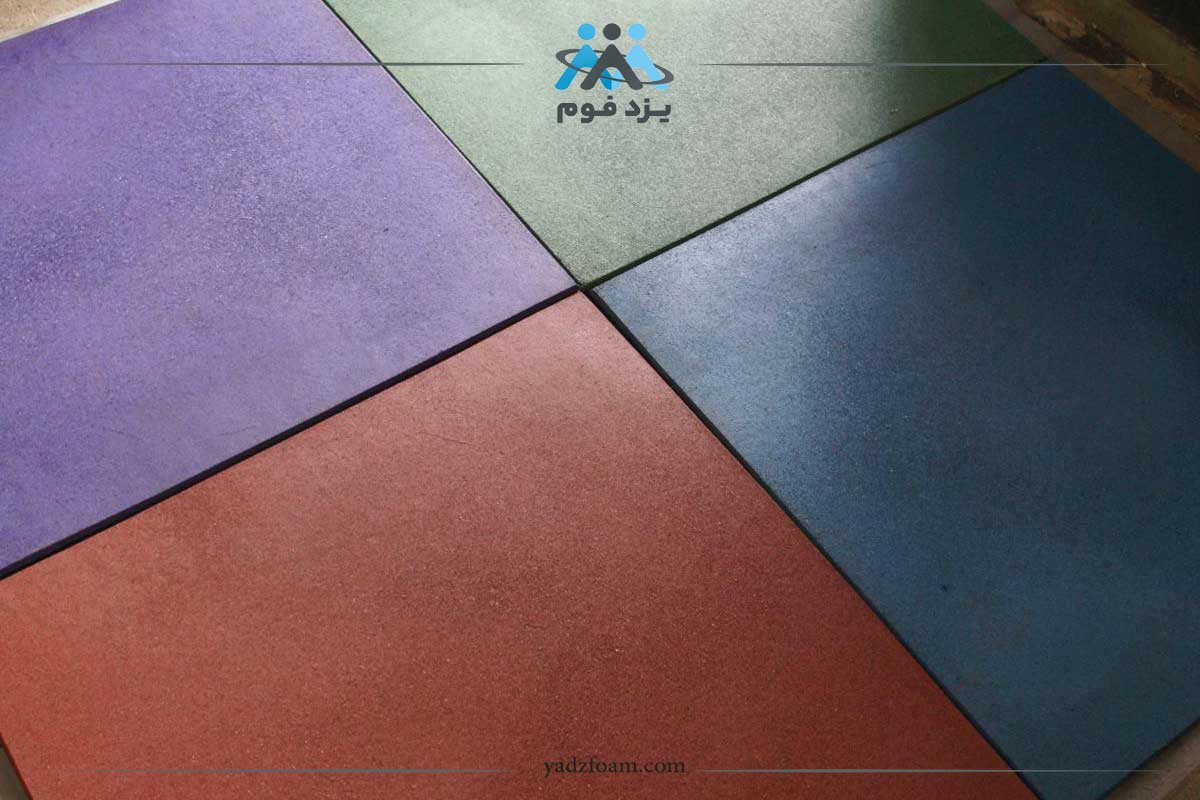
Tiles are individual square or rectangular pieces, often designed to fit together. Their modular nature works well in smaller spaces, home gyms and rooms where sections may need replacement or rearrangement. Installation and transport can be easier, though the joints between tiles need attention and may collect dirt.
Key differences
Seams and appearance
Rolls typically create a more continuous surface; tiles have visible joints and offer flexible layout.
Durability
Both can be long-lasting when selected for the required load. Performance depends on density, formulation and installation quality rather than format alone.
Installation and handling
Large rolls need more handling and accurate fitting. Individual tiles are easier to carry, replace and reorganize.
Cleaning
Rolls have fewer joints to maintain. Tiles may require closer cleaning around seams.
Cost
Compare material prices together with labor, room size, wastage and future repair costs.
Which should you choose?
Choose rolls when a large continuous training surface matters most. Consider tiles for smaller, irregular or changeable spaces. Yazdfoam can help you select the type and thickness based on project conditions.