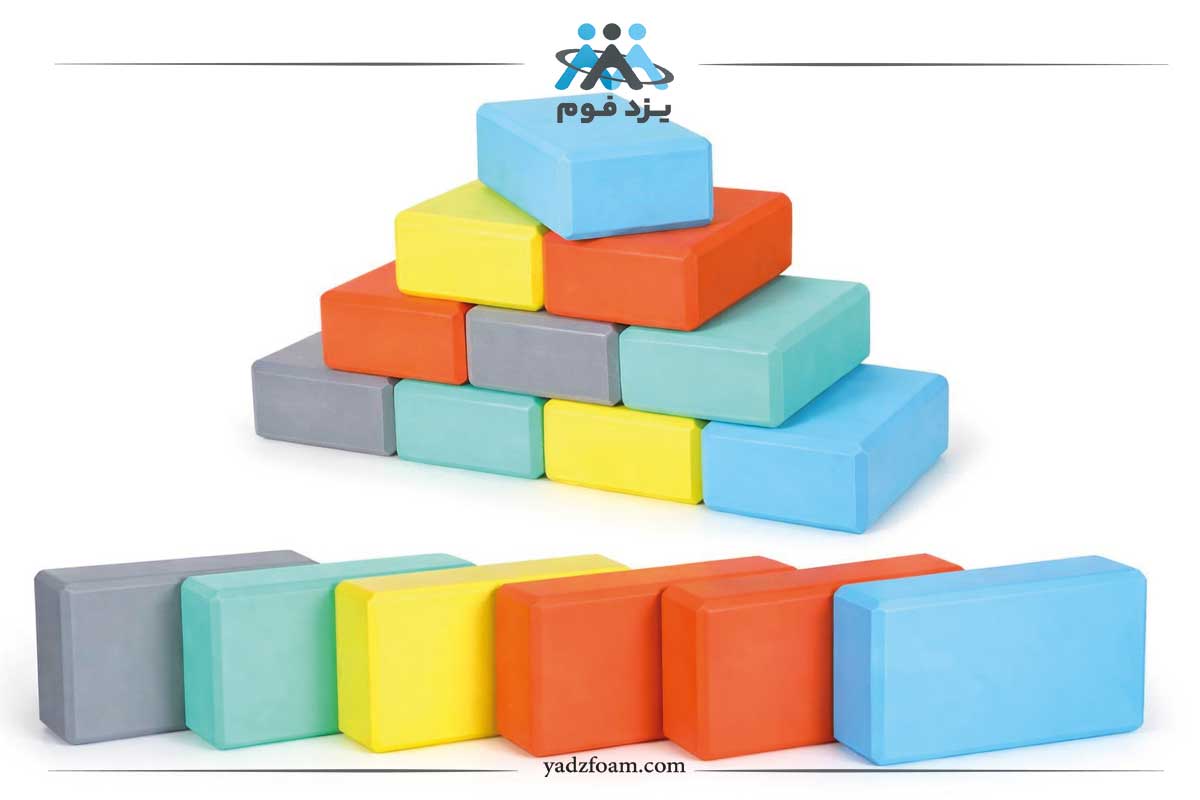
Foam Yoga Blocks: A Complete Guide to Selection and Use
2025/12/20 - Uncategorized - 9 views
A guide to foam yoga blocks: lightweight design, non-slip surfaces, cushioning, stability, cleaning and support during stretching and balance poses.
Foam Yoga Blocks: Features and Uses
Foam yoga blocks are useful props for stretching, balance work and many yoga postures. They can bring the floor closer to the hands and provide extra support in movements that would otherwise be difficult.
Lightweight and portable
Foam blocks are generally easy to carry to a class or keep in a home practice area. Their low weight makes positioning and repositioning them simple during a session.
Comfortable, grippy surface
Many foam blocks have a mildly resilient texture that helps provide grip and comfort during supported poses. Place the block on a stable surface and use it according to the manufacturer's weight and safety guidance.
Stability with a little give
A well-made foam block offers useful support with modest cushioning. The right firmness depends on the exercise and user; a block should not compress so much that it becomes unstable.
Convenient size and shape
Blocks are commonly made in practical rectangular sizes that are easy to hold and use at different heights. Rounded edges may improve comfort in hand-supported movements.
Easy cleaning
Most foam yoga blocks can be cleaned with a lightly damp cloth and allowed to dry. Follow the product's instructions to protect the material.
Flexibility and balance
Blocks can help adapt stretches, supported standing poses and mobility exercises for different experience levels. They may reduce the need to overreach and allow a more controlled position.
Conclusion
A light, stable and easy-care yoga block can be a useful addition to home or studio practice. Choose suitable firmness and dimensions and explore Yazdfoam's yoga equipment selection.