What Is the Best Flooring for Aerobics?
2025/12/20 - Uncategorized - 7 views
Compare EVA foam, rubber and interlocking sports flooring for aerobics, including impact absorption, stability, cleaning and room size.
Which Flooring Is Best for Aerobics?
Aerobics involves repeated steps, jumps and fast changes of direction. Appropriate flooring helps provide cushioning, traction and a stable surface for group or individual workouts.
What makes good aerobics flooring?
Impact absorption: The surface should help moderate forces generated by jumping and landing. Traction: It should reduce the chance of slipping while permitting natural turning movements. Durability: Quality flooring must withstand repeated exercise and cleaning.
Common flooring options
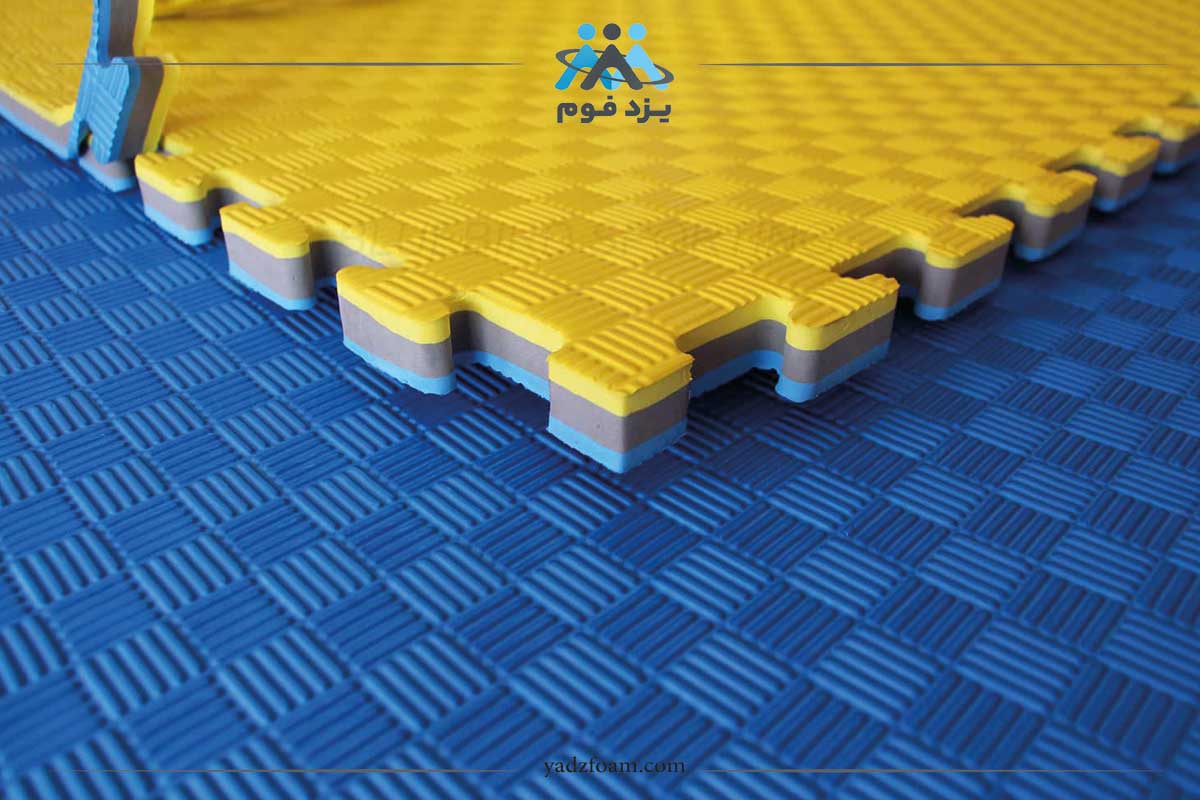
EVA foam: Lightweight tiles are easy to install and move, making them useful for home workouts and smaller rooms. For heavy-duty professional spaces, check wear and load ratings carefully.
Rubber flooring: Often selected for busy fitness centers thanks to high durability and impact resistance. Its weight and installation costs should be taken into account.
Interlocking tiles: Modular pieces can cover irregular rooms and be reconfigured. Choose a locking design and thickness that keep joints secure under repeated movement.
How to choose
Consider the intensity of the exercise, needed cushioning, room size, floor condition, ease of maintenance and expected lifespan. Typical products are offered in a variety of thicknesses; the best thickness depends on the actual material and application rather than a single universal number.
Conclusion
For a compact home aerobics area, modular foam may be convenient. For demanding group training, properly specified rubber or other professional sports floors may be preferable. Discuss your use case with Yazdfoam before ordering.